

Most “best maca supplement” lists start with a brand, a star rating, or a dramatic promise. That's the wrong place to begin. Maca isn't one uniform product, and a capsule containing a small amount of blended root isn't automatically comparable to a powder that delivers the amount used in human research.
A smarter choice depends on four things: your goal, the maca phenotype, the dose, and the label quality. Libido, daily vitality, training support, and general wellness don't necessarily point to the same product. The clinical record is also narrower than supplement marketing suggests. A 2024 NIH review identified 22 clinical studies on maca, with 18 focused on sexual health and only 2 examining physical performance, so broad claims deserve scrutiny. The NIH review shows why a focused buying framework beats a generic ranking.
Table of Contents
- Why “Best” Is the Wrong Question for Maca
- The Three Maca Types and What Each One Does
- Powder vs Capsules vs Liquid Extracts
- Matching the Clinical Dose Range of 1.5 to 3 g per Day
- Reading the Label Without Getting Fooled
- A Goal-Based Framework for Choosing Your Maca
- Safety, Cycling, and What to Realistically Expect
Why “Best” Is the Wrong Question for Maca
The label best maca supplement suggests that one bottle can suit every buyer. That promise falls apart once you compare actual products. A useful choice matches your goal and delivers a meaningful amount of clearly identified maca. Yellow root powder may work well in smoothies, while capsules suit people who value portability and consistent measuring.
Brand-sponsored rankings often hide the most important difference: serving size. A 500 mg capsule may appear beside a powder serving measured in grams, even though the two products provide very different amounts. Attractive packaging cannot make a small serving equivalent to the quantities commonly used in human studies.
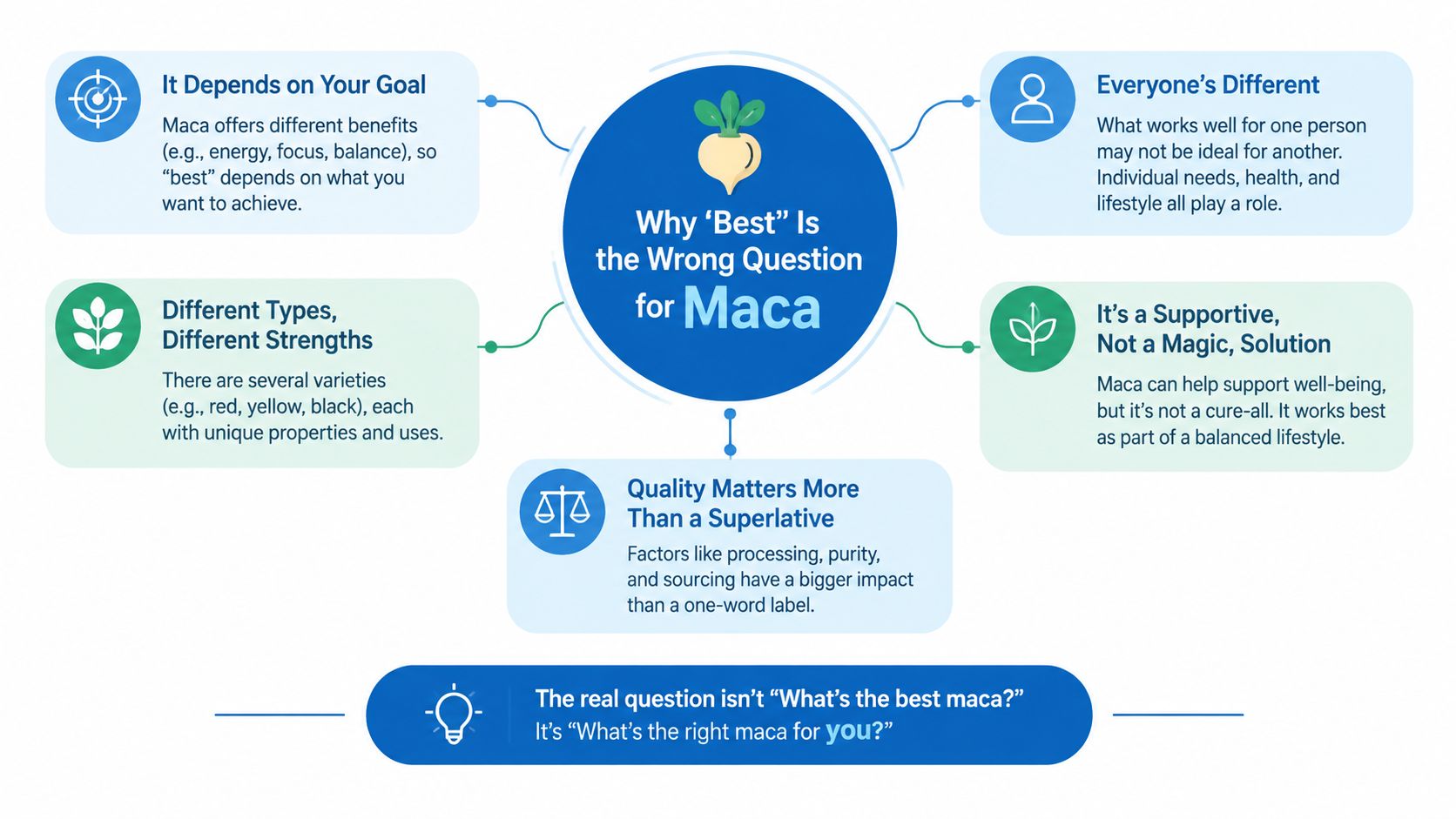
The four decisions that matter
Start with the phenotype. Yellow, red, and black maca are different cultivars, and marketing connects them with different traditional and research interests. Those associations can help narrow your options, but they do not prove that each color has an exclusive effect. Treating every maca product as interchangeable makes comparison harder.
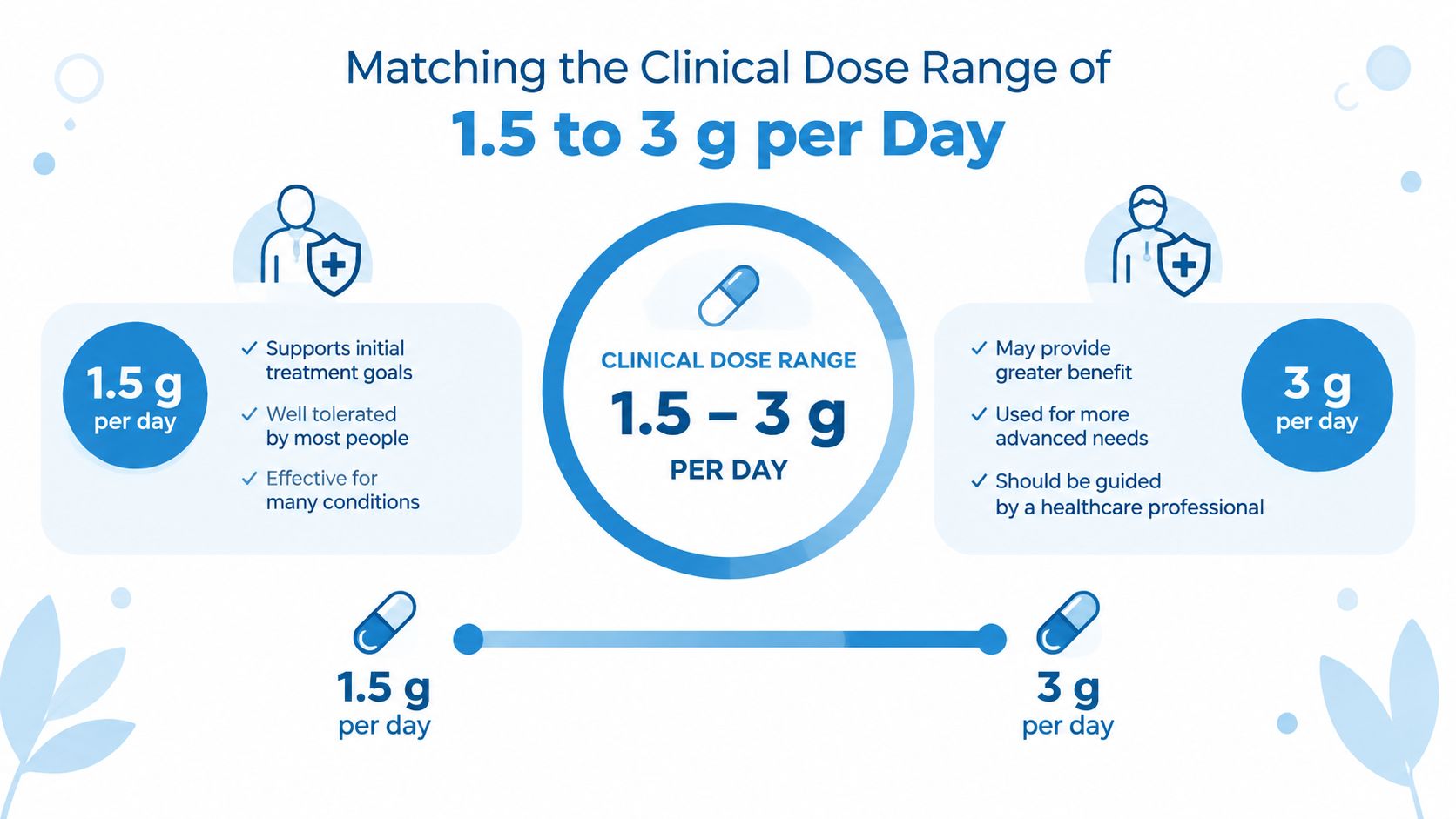
Then verify the dose. Human evidence commonly examines 1.5 to 3 g per day, a range summarized by Everyday Health's maca dosing guide. A product supplying only part of that amount may be convenient, yet it should not be presented as equivalent to a full research serving.
Choose a format you will use. Powder makes gram-level dosing straightforward. Capsules travel well and simplify measuring. Liquid extracts may suit people who dislike pills, but the label must state how much root the liquid represents. Volume alone is not a dose.
Audit the label before paying. Confirm the plant species, plant part, serving weight, origin, processing method, and any extract ratio. Missing details leave you judging the marketing rather than the maca.
Use this goal-led check: identify the outcome you want, select the phenotype that fits that purpose, confirm the dose, then choose the format and label that work in your routine. The right purchase is the one that passes all four checks, not the bottle that wins a generic ranking.
Practical rule: Match the maca's type, amount, form, and label to the job you need it to do.
The Three Maca Types and What Each One Does
The label's color is a useful starting point, not a promise of results. Yellow, red, and black maca are naturally occurring phenotypes of Lepidium meyenii, rather than artificial colors. Their traditional associations can help match a product to your goal, but no color guarantees one exclusive effect.
Yellow maca is the best default for general use. It is commonly associated with everyday vitality, mood, and energy. Its broad positioning also makes it a practical choice when your goal is not narrowly defined. Start here if you want to evaluate maca without committing to a specialized claim.
Red maca fits reproductive and age-related wellness goals more closely. Discussions of this phenotype often focus on prostate comfort, bone support, and stress resilience. Those associations do not make red maca a treatment, and the evidence is not strong enough for targeted medical claims. Choose it when those goals guide your selection and the product provides a clear serving amount.
Black maca receives the most performance-focused attention. Marketing often links it with male reproductive health, sperm-related outcomes, libido, endurance, and focus. That makes it common in sports and sexual-wellness formulas, though the athletic evidence is mixed. A 2025 double-blind crossover study in trained basketball players found that two weeks of maca did not improve performance or fatigue, as reported in the published study. Black maca remains a reasonable option for libido or reproductive goals, but athletic imagery is not evidence of better training results.
Maca phenotypes compared
| Type | Color Profile | Best-Matched Goal | Typical Daily Range |
|---|---|---|---|
| Yellow | Mild, earthy, versatile | General vitality and daily wellness | 1.5 to 3 g |
| Red | Milder, often sweeter | Reproductive and broader wellness goals | 1.5 to 3 g |
| Black | Strong, earthy, sometimes roasted | Libido and reproductive or performance-oriented use | 1.5 to 3 g |
Use the matrix as a filter, not a ranking. Start with yellow if you're uncertain, then choose red or black only when your goal gives you a clear reason. A high-dose black blend with athletic packaging is not automatically better. Mixed products can work, but they make it harder to judge which phenotype fits you.
A 2024 systematic review reported measurable effects of maca on cellular oxidative stress markers, while later performance research remained mixed. The PubMed review supports matching the type to the goal rather than declaring one color the universal winner.
Powder vs Capsules vs Liquid Extracts
Format changes how easy it is to reach a useful serving. It also changes taste, portability, price efficiency, and the amount of label interpretation required.
Powder is the most practical choice for gram-level dosing. You can add it to a shake, yogurt, oatmeal, or coffee and adjust the serving without swallowing a stack of capsules. Raw powder preserves the whole dried-root material, while gelatinized powder has been processed to remove much of the starch and may be easier for some people to digest. “Gelatinized” describes processing and doesn't mean the product contains animal gelatin.
The drawback is taste. Maca has an earthy, root-like flavor that can dominate a thin drink. It works better with chocolate, nut butter, coffee, cinnamon, or a thicker smoothie. Powder also demands consistency, because a casual teaspoon isn't a reliable measurement unless the package provides a gram-based serving.
Capsules win for travel and routine adherence. They're clean, portable, and easier to take at work. The problem is serving size. Many capsules provide a relatively small amount per serving, so reaching a research-aligned daily intake can require several capsules and raise your cost per gram.
Liquid extracts are convenient but require label discipline. Faster absorption is a common selling point, yet the important question is how much actual root the bottle represents. A dropper volume or fluid amount doesn't tell you whether the product supplies a meaningful root-equivalent serving. If you prefer a liquid, compare the extract ratio and root equivalent rather than the bottle size.
| Format | Cost per Gram | Dose Accuracy | Best For |
|---|---|---|---|
| Powder | Usually most economical | Good with a scale or stated scoop | Smoothie and shaker users |
| Capsules | Usually higher | Consistent per capsule | Travelers and pill users |
| Liquid extract | Varies substantially | Depends on extract disclosure | Tincture users and people avoiding capsules |
Before choosing a liquid, inspect products such as Amazing Herbs Maca Express liquid extract for the information needed to compare the serving properly. The format itself isn't the quality signal. Transparent dosing is.
Matching the Clinical Dose Range of 1.5 to 3 g per Day
Maca marketing often highlights a large milligram number without explaining what that number represents. That's how shoppers end up comparing raw powder, concentrated extract, and multi-ingredient blends as though the labels speak the same language.
Human dosing evidence is strongest in the 1.5 to 3 g per day range, and a randomized pilot dose-finding study compared those benchmark amounts. Both doses improved sexual function, while the 3 g per day group showed the most pronounced and statistically significant improvement, according to the clinical study. This doesn't mean everyone needs the higher amount. It does mean that dose should be part of your comparison.
Read grams, not front-label drama
Raw maca powder is straightforward. If the label says 1.5 g of maca root per serving and you take one serving, you know what you're getting. Capsules work the same way, but you may need multiple capsules to reach the daily range.
Extracts are more complicated. A product labeled as a concentrated extract might use a ratio such as 4:1 or 10:1, but that ratio only helps if the label clearly states the starting root quantity or the finished root equivalent. A small extract weight isn't automatically under-dosed, and a large raw weight isn't automatically superior. You need to know whether the stated amount refers to actual root powder or concentrated extract.
Use this checklist before buying:
- Check grams per serving: Find the exact amount of maca, not just the total blend weight.
- Calculate servings per day: Multiply the maca amount by the number of servings you'll take.
- Identify the extract ratio: A ratio should be paired with enough information to understand root equivalence.
- Look for root equivalent: If the label doesn't explain concentration, comparison becomes guesswork.
- Ignore unsupported megadosing: A larger number on the bottle isn't proof of a larger benefit.
For a capsule example, compare the serving information on Naturalife Labs Organic Maca Root 1900mg. The useful question isn't whether “1900 mg” sounds potent. It's whether the stated serving supplies a clearly identified amount of maca root and fits your intended daily plan.
Here's a visual explanation of the dose comparison:
Reading the Label Without Getting Fooled
A good maca label answers basic questions quickly. If you have to infer the plant species, serving size, origin, or extract strength from vague language, put the bottle back.
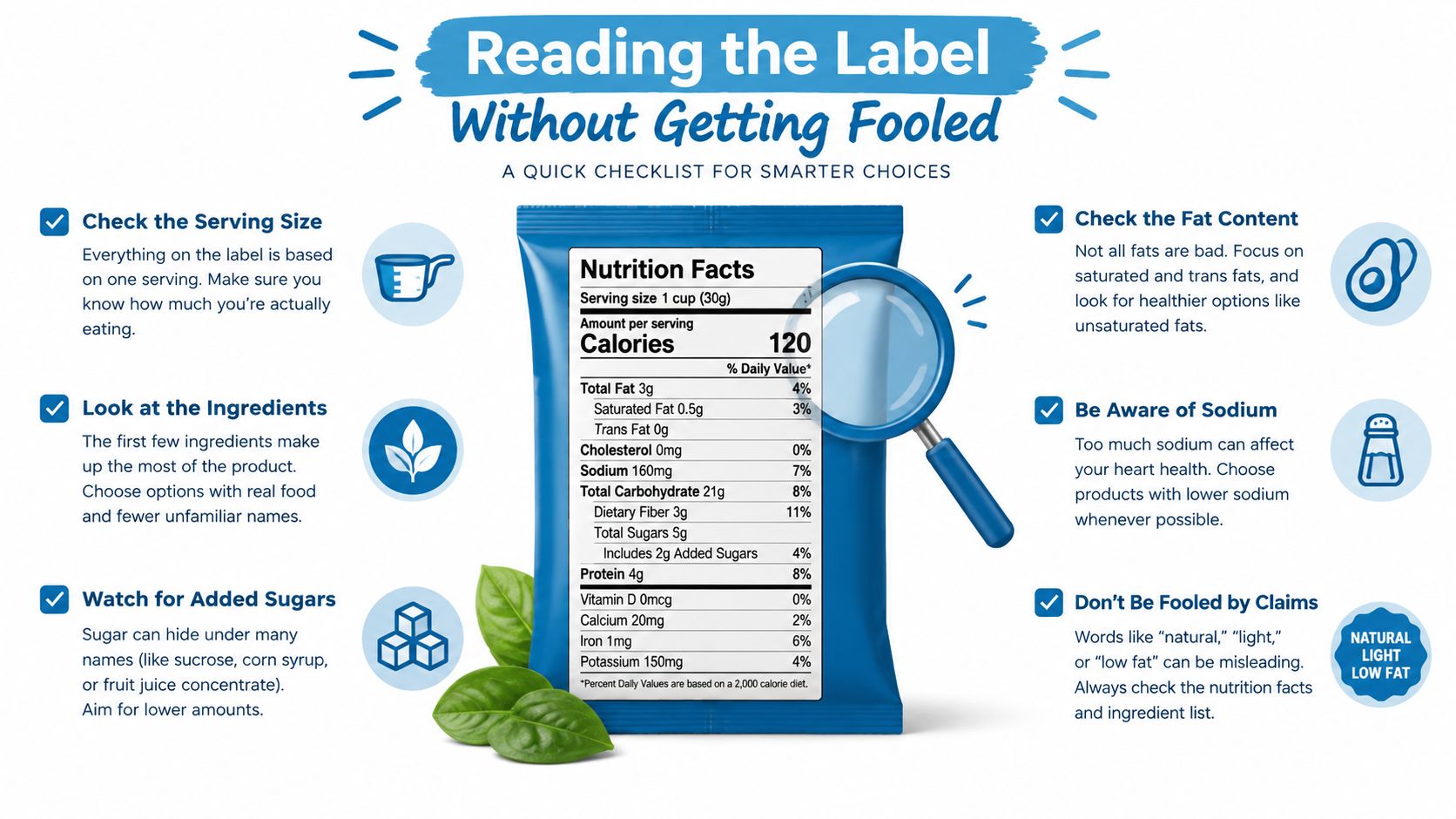
Start with the Supplement Facts panel. Look for “Lepidium meyenii”, the root or hypocotyl plant part, and the exact amount per serving. “Maca blend” tells you almost nothing if it doesn't identify how much maca each serving contains. Proprietary blends deserve extra skepticism because they can hide individual ingredient quantities.
The label audit
Origin matters, but it isn't enough by itself. Peruvian Andes sourcing is a meaningful detail because maca is traditionally associated with that region. Still, an origin statement doesn't replace testing. Look for a company that identifies the source and provides credible quality information rather than relying on a scenic mountain image.
Processing should be explicit. Raw and gelatinized maca aren't the same product. If your digestion is sensitive, gelatinized may be the more practical choice. If you want the unprocessed dried root, raw powder offers that, but you'll need to decide whether the texture and starch content work for you.
Capsule materials should match your requirements. Veggie capsules suit vegan shoppers, while gelatin capsules may be acceptable for others. Halal, kosher, non-GMO, organic, and cruelty-free claims can matter, but treat them as label attributes to verify, not automatic proof of potency or purity.
Filler disclosure still matters. A short, understandable other-ingredients panel is easier to assess than a crowded formula filled with colors, sweeteners, or flow agents you don't need. Magnesium stearate isn't automatically dangerous, but shoppers who want a minimal formula should know whether it's present.
Red flags worth avoiding
- Unmeasured macamides: “Standardized to macamides” means little without an assay value or testing detail.
- Therapeutic promises: Claims about curing hormonal disorders, infertility, or disease go beyond responsible supplement positioning.
- Hidden origin: A label that omits where the maca comes from gives you less confidence in traceability.
- Unclear strength: A large total blend number can conceal a small maca serving.
- Suspicious pricing: An unusually cheap product may reflect dilution, but price alone can't prove quality.
Use this organic maca root review as a reminder to examine the details behind “high potency” language. The Supplement Facts panel should do the selling, not the front label.
A Goal-Based Framework for Choosing Your Maca
The best maca depends less on the brand name than on whether the product matches your goal, routine, and tolerance. Start with the result you want, then screen the type, format, serving, and label. A product you can take consistently is a better choice than a fashionable formula you will abandon after a week.
Start with the goal
For daily energy and general wellness, begin with a clearly identified yellow maca in powder or capsule form. Choose powder if you want to mix it into food and adjust the serving easily. Choose capsules if taste or portability would otherwise interrupt your routine. The useful question is whether the label gives you a realistic amount of maca per serving, not whether the front panel calls it “powerful.”
For libido or reproductive goals, select a product that identifies its maca type and states the amount of root or extract clearly. Red or black maca may fit your preference, but color alone does not prove a stronger effect. Treat maca as a supplement trial, not as a substitute for evaluation of fertility, hormonal changes, or persistent symptoms.
For training support, keep expectations modest. Black maca is marketed heavily for performance, yet that positioning does not guarantee better endurance or recovery. If you want to test it, choose a transparent powder or capsule product, keep the rest of your training and supplement routine stable, and judge the result by your own performance and recovery rather than dramatic claims.
For convenience and travel, capsules are usually the simplest option. A liquid extract can also work, provided the label states the root equivalent and extraction details clearly. A large milligram figure on the bottle means little if it refers to the whole blend instead of the maca itself.
Use a decision sequence
- Name the outcome. Energy, libido, training support, or convenience requires a different priority.
- Choose the format you will use. Powder suits flexible serving sizes; capsules and liquids suit travel or taste concerns.
- Check the serving against the earlier dose guidance. Use the tables above as your reference instead of comparing product names or oversized blend totals.
- Verify the maca identity. The label should state the species, plant part, type when claimed, and whether the product is raw, gelatinized, or extracted.
- Reject weak evidence on the label. Unmeasured macamides, vague proprietary blends, disease claims, and missing origin information are reasons to move on.
- Set a fair test. Keep the product and routine consistent long enough to assess tolerance and the outcome you selected.
A quick product check should answer four questions: Can you identify the maca and its actual amount? Does the format fit your schedule? Does the serving align with the guidance already covered? Does the label make reasonable claims?
If any answer is unclear, skip that product. The front label can mention color, potency, or a trendy goal, but the Supplement Facts panel should determine whether it deserves your money. A simple formula with complete information is easier to assess than a crowded blend that hides the maca amount.
Safety, Cycling, and What to Realistically Expect
Maca is usually well tolerated at moderate intakes, but “natural” does not make it suitable for everyone. Research on safety and effectiveness remains weighted toward shorter trials, so long-term dosing guidance is limited. Stay close to the established daily range instead of assuming a larger serving will deliver more. Long-term and high-dose use still needs a conservative approach, as reviews of maca research have noted.
Begin with the serving on a transparent label, preferably with food if that feels better for your digestion. Monitor digestive discomfort, sleep changes, or unusual overstimulation. If a product makes you feel worse, stop using it. Do not respond by raising the dose or adding a blend that contains stimulants.
Who should ask a clinician first
Ask a qualified healthcare professional before using maca if you are pregnant or breastfeeding, have a thyroid condition, have a hormone-sensitive cancer, or take medication that could interact with hormone-active supplements. If you are investigating low testosterone, infertility, menstrual changes, or persistent fatigue, use medical testing and professional advice rather than trying to address the issue with maca alone.
Cycling is popular, but strong long-term evidence has not established a universal schedule. Some users follow several weeks of use with a short break, but a complicated protocol is unnecessary at the start. Introduce one product, keep your routine consistent, track your response, and stop if it is not helping.
Keep the experiment clean: Change one variable at a time, record your dose and symptoms, and do not mistake a bigger serving for a better result.
Set realistic expectations. Some people notice energy-related changes sooner, while libido or mood-related outcomes may require a longer, consistent trial. Maca is a food-based supplement, not a pharmaceutical treatment. Current research does not justify promises of instant hormone balancing or guaranteed athletic performance.
The practical choice is straightforward: select a clearly labeled maca type, match the product to the 1.5 to 3 g daily research range when appropriate, and choose a format you will take. Ignore impressive front-label totals when the maca amount is unclear. To compare maca powders, capsules, liquid extracts, and related wellness products in one place, visit CalVitamin. Its catalog lists maca in multiple formats and identifies attributes such as gelatin-free or halal where specified, helping you shop according to your dose and label requirements.






