You're standing in front of a wall of protein tubs, comparing scoop sizes, flavors, and bold claims about muscle, energy, or “clean” nutrition. One label promises a large protein serving, another lists fewer grams but a simpler formula, and a third looks appealing until you notice that the brand provides no meaningful testing information. The obvious choice is rarely the best choice.
Learning how to choose protein powder starts with a better question than “Which one has the most protein?” Ask instead: Does this product fit my goal, diet, digestion, and safety standards? Protein grams matter, but so do the source, serving size, amino-acid usefulness, allergens, additives, and evidence that the finished product has been tested.
Table of Contents
- Why Choosing Protein Powder Feels Confusing and How to Simplify It
- Match Your Goal to the Right Protein Strategy
- Understanding Whey Casein and Plant Protein Options
- How to Read Labels and Judge Protein Quality Like a Pro
- Safety Certifications Allergens and Smart Shopping Checks
- Putting It All Together With Dosing Timing and Final Tips
Why Choosing Protein Powder Feels Confusing and How to Simplify It
Protein powder shopping feels difficult because products that look similar can serve completely different purposes. A whey isolate may suit someone who wants a quick, low-fat option after training. A casein formula may make more sense for someone who prefers a slower-digesting protein. A plant blend may be the practical answer for a vegan shopper, even if its amino-acid profile needs closer inspection.
The mistake is treating the tub as the decision. Start with the person using it. A recreational lifter, a busy office worker, someone avoiding dairy, and someone managing a sensitive stomach shouldn't all reach for the same formula because it displays a large number on the front.
Practical rule: Choose the use case first, then the protein family, then the label, and only afterward the flavor and price.
Why protein grams don't settle the decision
The protein number is useful, but it isn't the whole story. U.S. labeling rules require protein to appear in grams per serving, usually rounded to the nearest gram. When a product makes a protein-related claim, its percent Daily Value may also be relevant, and the FDA's framework considers both the amount of protein and its amino-acid digestibility score, not just the raw gram count. The FDA's dietary supplement labeling guide explains why the serving size and protein source deserve attention alongside the headline number.
That gives you a reusable first filter:
- Define the purpose. Is the powder supporting training, helping you manage hunger, or filling a practical gap?
- Check dietary fit. Consider dairy, soy, gluten, vegan requirements, sweeteners, and cross-contact warnings.
- Inspect quality evidence. Look for amino-acid information, transparent ingredients, and independent testing.
- Judge convenience last. Taste, texture, mixability, and cost affect consistency, but they can't rescue a poorly documented product.
A calmer way to shop
Don't let packaging decide for you. Write a short brief before browsing: your primary goal, preferred protein source, ingredients you avoid, acceptable calorie profile, and minimum testing information. That brief turns a crowded category into a manageable shortlist.
CalVitamin's catalog can function as a browsing aid because its online store includes protein products, product details, customer reviews where available, Advanced Search, and wish-list tools. Treat those features as comparison tools, not substitutes for reading the label or verifying the manufacturer's testing documentation.
Match Your Goal to the Right Protein Strategy
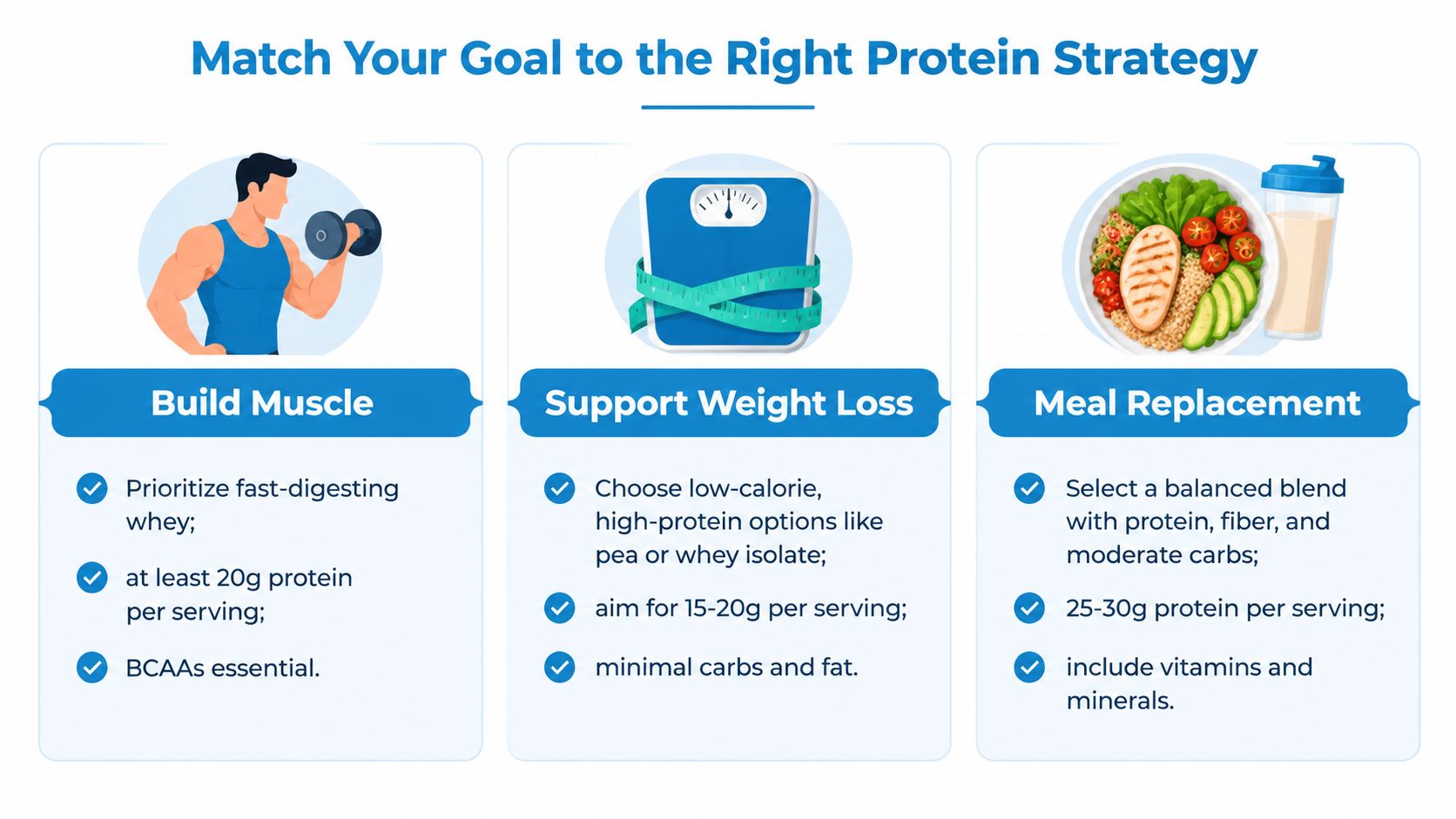
Your goal determines what the powder needs to do. A product for muscle support shouldn't be judged by the same standards as a shake intended to replace a rushed lunch. Use the following framework to create a personal brief before comparing brands.
Building muscle
Prioritize a high-quality, complete protein with a useful amino-acid profile and a formula you can digest consistently. Whey is a strong default for many people because it digests relatively quickly and naturally supplies essential amino acids, including leucine. Look for a clear protein serving, a fully disclosed ingredient list, and information about amino acids when the brand provides it.
Don't buy a mass-oriented formula by accident. A powder loaded with extra carbohydrates, fats, or stimulatory ingredients may be unsuitable if you want protein around resistance training. Conversely, a very stripped-down isolate may not provide enough energy for someone deliberately trying to increase total calorie intake. Your training plan and overall diet decide whether you need plain protein or a more substantial shake.
Supporting weight loss
For weight management, favor protein density and satiety over dramatic marketing. A straightforward whey isolate or a suitable plant protein can work when it provides substantial protein without turning a shake into a dessert. Casein's slower digestion may appeal to people who prefer a thicker, more filling shake, although taste and personal tolerance still matter.
Check the entire nutrition panel, not just the protein line. Added sugars, oils, large amounts of carbohydrate, and aggressive flavor systems can change the role of the product. A powder can fit a weight-loss plan, but it shouldn't become an unplanned high-calorie snack.
Replacing a meal
A protein-only powder isn't automatically a meal replacement. If you expect a shake to stand in for lunch, look for a balanced formula that includes protein plus useful sources of fiber, carbohydrate, fat, and micronutrients. A plain whey or pea powder can be blended with foods to create a more complete meal, but the powder itself may not provide everything you need.
A busy professional might use protein powder with milk or a fortified alternative, fruit, oats, and nut butter. Someone who only needs a portable protein snack should keep the formula simpler. The right choice depends on whether you're replacing a meal or merely adding protein between meals.
Turn the goal into a shopping brief
Write down one sentence before you buy:
- Muscle support: “I want a digestible, complete protein with clear amino-acid information and no unnecessary mass-gainer extras.”
- Weight management: “I want a protein-dense powder with a calorie profile that supports my eating plan and a flavor I can use consistently.”
- Meal replacement: “I want a balanced formula or a plain protein I can combine with whole-food ingredients.”
That sentence keeps a flashy flavor, oversized scoop, or discount from overriding the actual job the product needs to perform.
Understanding Whey Casein and Plant Protein Options
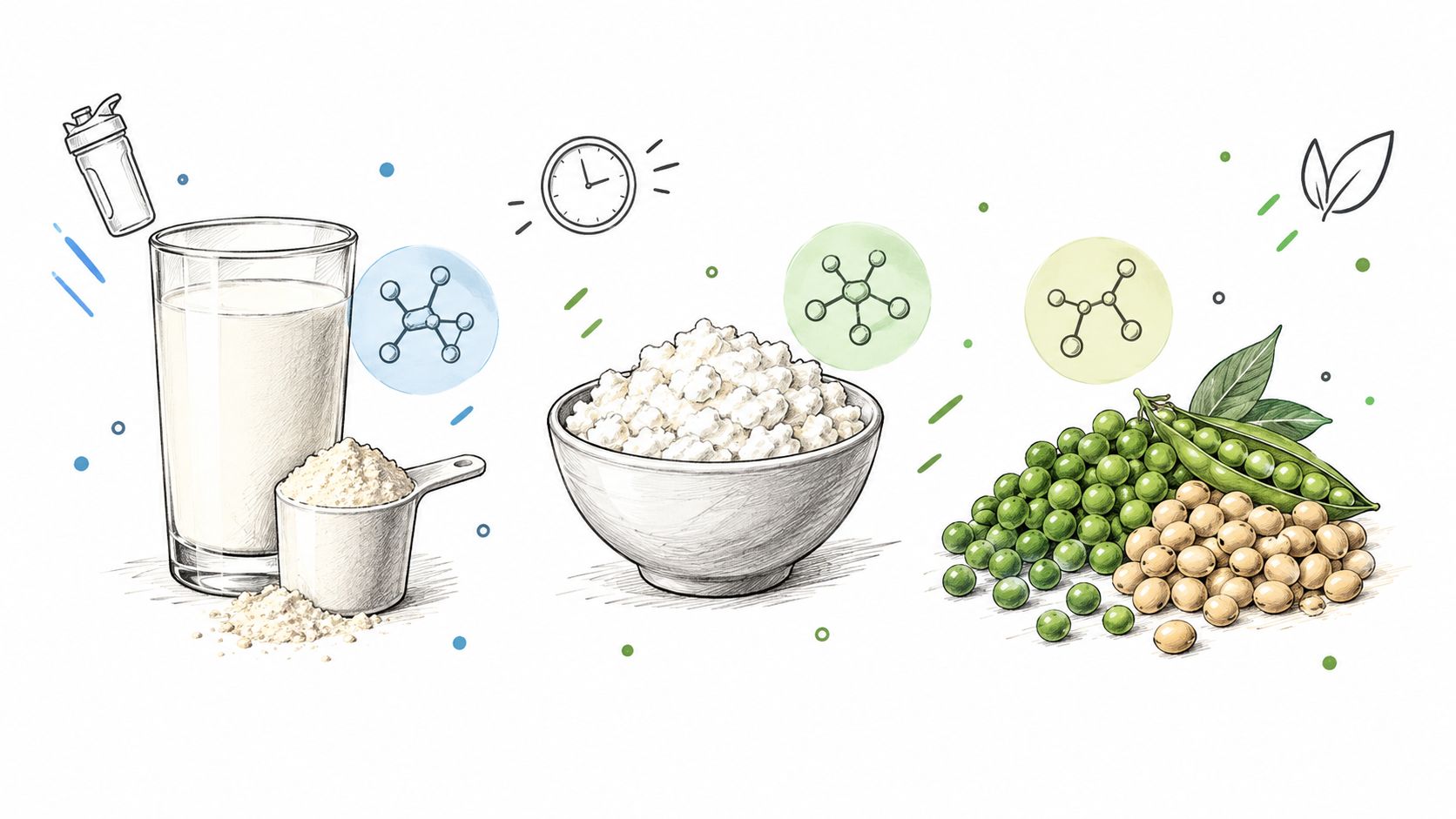
Protein families differ in digestion, amino-acid composition, allergen profile, and practical use. None wins every comparison. The right source is the one that combines nutritional suitability with tolerance and reliable quality documentation.
Whey concentrate and isolate
Whey concentrate retains more of the milk's non-protein components than isolate. That can produce a creamier taste and sometimes a lower price, but it may also be less comfortable for people who are sensitive to lactose. Whey isolate undergoes additional processing to remove more non-protein components, making it a popular option for shoppers seeking a leaner, often more easily tolerated formula.
The label still matters more than the category name. Check whether the product includes sweeteners, gums, oils, or a proprietary blend. If you tolerate dairy and want a versatile protein for smoothies or post-training use, whey deserves a place near the top of your shortlist.
Casein
Casein is another milk protein, but it behaves differently in liquid and digestion. It tends to form a thicker texture and is commonly chosen by people who want a slower-digesting option. That makes it useful in yogurt-style mixtures, evening shakes, or recipes where thickness is an advantage.
Casein isn't automatically better than whey. It offers a different texture and digestion profile. People with milk-protein allergies should avoid it, and anyone who experiences digestive discomfort should take that response seriously rather than forcing a product because its marketing sounds impressive.
Plant proteins
Pea, soy, rice, and other plant proteins can support vegan, vegetarian, dairy-free, or allergen-aware diets. Their amino-acid profiles vary, so blends can be useful when a brand combines complementary sources. Plant powders may also bring a distinct earthy flavor or grittier mouthfeel, although formulation quality makes a major difference.
Plant-based doesn't mean automatically cleaner or safer. As discussed later, source and flavor category can affect the importance of contaminant testing, so plant shoppers should be particularly demanding about current certificates and independent verification.
For a practical example of a plant-based product page, you can review KOS Organic Plant Protein Powder Vanilla and examine how the product is presented before comparing it with dairy options.
Use taste and digestion as decision filters
A protein you dislike won't become a good purchase because it scores well on paper. Try a smaller container when possible, mix it in the liquid you normally use, and pay attention to bloating, aftertaste, and texture. For a broader visual explanation of protein choices, watch the following resource.
How to Read Labels and Judge Protein Quality Like a Pro
Read the label in a fixed order. Start with the serving size, verify the protein grams, and identify the actual protein source. This three-part screen prevents a large scoop or bold front-of-pack claim from doing all the persuasion.
The three-part label screen
Protein grams per serving tell you how much protein the manufacturer reports in one serving, but the number may be rounded under U.S. labeling rules. Serving size tells you whether the displayed protein amount applies to one scoop, multiple scoops, or a smaller portion than you expected. Protein source tells you what kind of amino-acid and digestibility profile you're buying.
The FDA's labeling framework also connects protein percent Daily Value with protein amount and amino-acid digestibility, which is why a higher raw gram count doesn't automatically mean superior protein quality. FDA guidance on protein labeling is the appropriate reference for understanding that relationship.
PDCAAS and DIAAS in plain English
PDCAAS, or Protein Digestibility Corrected Amino Acid Score, combines amino-acid content with digestibility. It remains useful, but it can reach a maximum value of 1.00, which limits its ability to separate proteins once they reach that ceiling. In a 2019 evaluation of commercial protein supplements, whey protein concentrate and casein protein concentrate reached a PDCAAS value of 1.00, a benchmark for excellent protein quality. The commercial supplement evaluation and protein-quality discussion provide useful context for comparing this metric with newer approaches.
DIAAS, or Digestible Indispensable Amino Acid Score, is more discriminating because it evaluates the digestibility of individual essential amino acids. In practical shopping terms, DIAAS can help reveal differences that a capped PDCAAS score may hide. You don't need to calculate it at home. Favor brands that disclose amino-acid profiles, leucine information, and independent testing rather than relying on protein grams alone.
| What to Check | What It Tells You | What Good Looks Like |
|---|---|---|
| Protein grams | Reported protein amount per serving | A clear number tied to a clearly stated serving |
| Serving size | How much powder supplies the listed amount | A realistic scoop or measured portion |
| Protein source | Likely digestibility and amino-acid pattern | A named source such as whey, casein, soy, pea, or rice |
| Amino-acid profile | Whether essential amino acids are disclosed | A complete profile, with leucine information when available |
| Quality metric | How the brand evaluates protein usefulness | Transparent discussion of PDCAAS or DIAAS, without inflated interpretation |
When you compare products, don't reward a larger scoop automatically. A smaller serving from a well-documented complete protein may be a more rational purchase than a bulky scoop that depends on vague blends or undisclosed amino-acid details. Life Extension Wellness Code Whey Protein Isolate is one example of a product page you can inspect for label presentation and review details.
Safety Certifications Allergens and Smart Shopping Checks
A protein powder can look excellent on the nutrition panel and still deserve a hard pass if the manufacturer won't show credible safety documentation. Independent testing matters because contamination isn't visible in the scoop, and repeated daily use makes transparency more important than a clever flavor name.
Consumer Reports reported in January 2026 that some protein powders and shakes contained concerning lead levels and advised shoppers to check whether test results were available before buying. Consumer Reports' protein powder safety report supports a simple buying principle: choose evidence over reassurance.
The safety documents worth finding
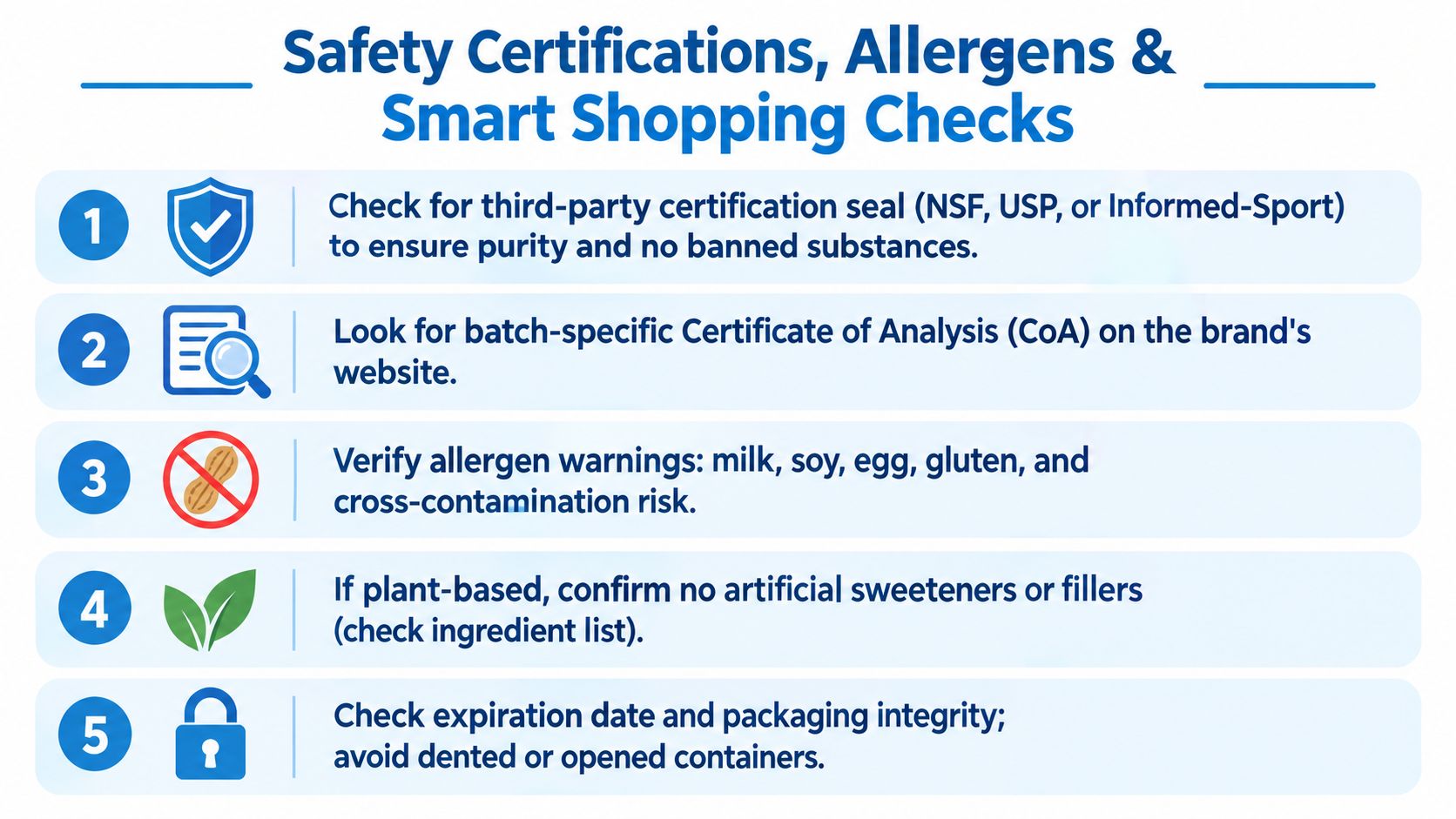
Look for a batch-specific Certificate of Analysis, or CoA, that identifies the tested batch and reports results for relevant contaminants. A generic statement such as “lab tested” tells you far less than current documentation showing what was tested and whether the product passed.
Recognized third-party certifications can add another layer of confidence. NSF Certified for Sport and Informed-Sport are familiar examples for athletes who need screening related to banned substances, while other recognized certification programs may address quality and purity. Verify the certification on the certifier's own database or through documentation that clearly matches the exact product.
Contaminant risk isn't evenly distributed
Independent testing has raised particular concerns for plant-based, organic, and chocolate-flavored powders. One analysis reported detectable lead in about 75% of tested protein powders, with plant-based products averaging roughly twice the lead per serving of other products. A later Clean Label Project review reported 47% of products exceeding at least one safety benchmark and 21% exceeding twice California Prop 65 levels. The NutraIngredients coverage of that analysis also reflects the controversy around interpreting such testing, so use the findings as a reason to demand documentation, not as a reason to panic.
A separate summary of Clean Label Project findings reported plant-based powders with three times more lead than whey-based powders, organic powders with three times more lead and twice as much cadmium as non-organic powders, and chocolate flavors with four times more lead and up to 110 times more cadmium than vanilla. Consumer Reports later found about 70% of tested products exceeded its lead level of concern. This safety overview from Powers Health shows why “organic,” “plant-based,” and “chocolate” shouldn't be treated as automatic safety signals.
Check the product page before checkout
Use this quick screen:
- Certification: Confirm that a recognizable third party certifies the exact product, not merely the manufacturing facility.
- Batch evidence: Search the brand's website for a current CoA or batch-specific contaminant report.
- Allergen language: Check milk, soy, egg, gluten, and cross-contact warnings.
- Ingredient simplicity: Look for unnecessary fillers, sweeteners, colors, and flavor systems you don't tolerate.
- Packaging condition: Reject damaged, opened, or tampered containers and confirm the expiration information.
If the product page can't answer basic safety questions, move on. A lower price or attractive tub can't compensate for missing evidence.
Putting It All Together With Dosing Timing and Final Tips
Use your personal brief at checkout: goal, protein family, serving details, amino-acid transparency, allergen fit, and testing evidence. Timing is useful for convenience, but consistency matters more than chasing a narrow post-workout window. Mix the powder in the liquid and recipe you enjoy, then adjust if texture or digestion becomes a problem.
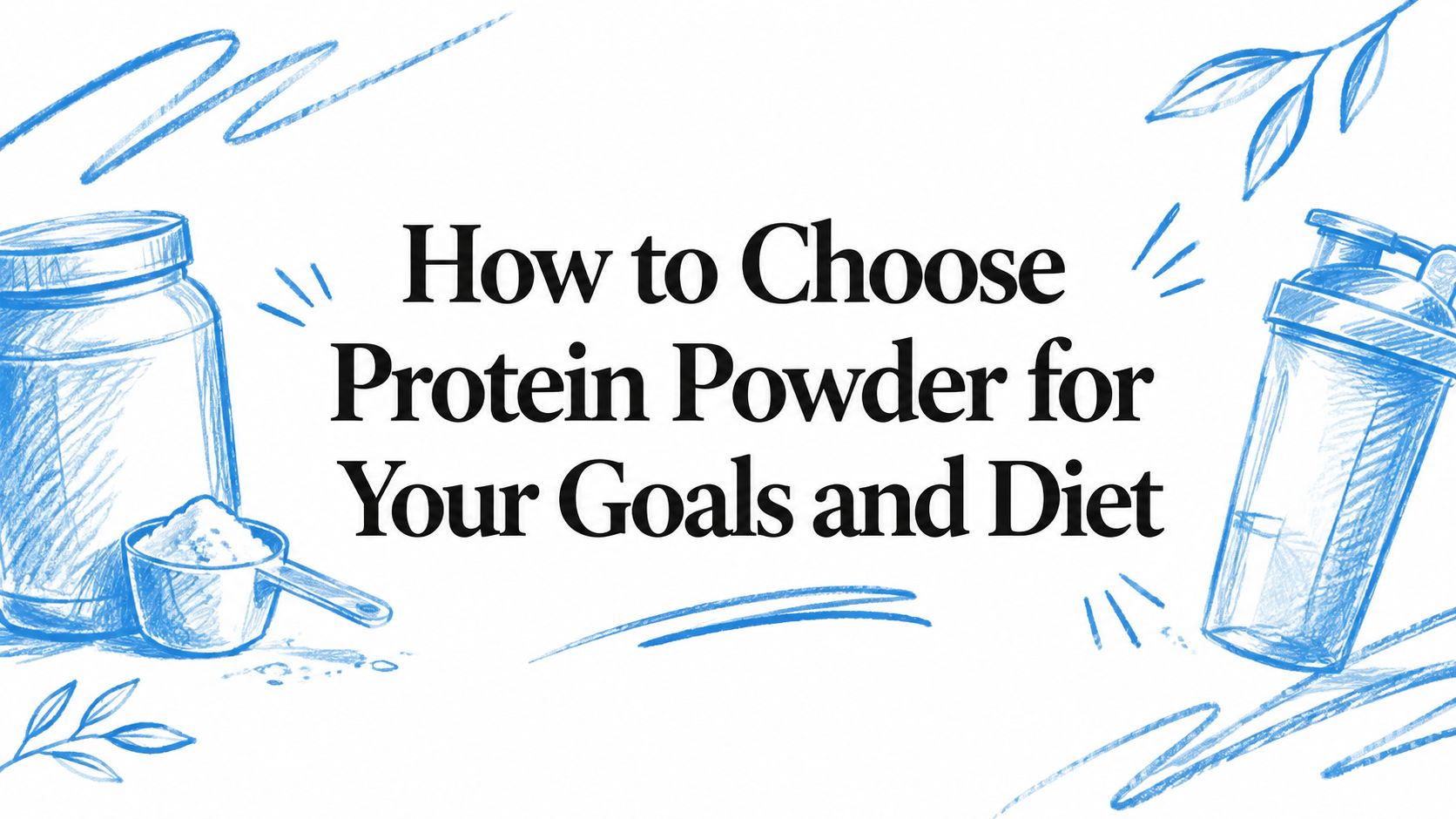
The infographic URL above contains a mismatch with the mandatory asset URL supplied in the brief, so the required exact asset is included below.
A practical routine is simple:
- Buy the smallest sensible size first. Confirm taste, mixability, and digestion before committing to a large container or recurring order.
- Compare full cost, not just the tub price. Divide the price by the number of labeled servings, then account for whether you need extra ingredients to make the shake satisfying.
- Save credible options. Use wish lists or product notes to compare labels, testing documents, and allergen information without relying on memory.
- Reassess your brief. If your goal, diet, or tolerance changes, your ideal protein can change too.
For readers comparing recovery-focused supplements alongside protein, this Tri-Amino recovery review offers another example of why the complete formula and intended use deserve attention.
Final check: If you can't explain the product's purpose, source, serving size, and safety evidence in a few sentences, don't buy it yet.
CalVitamin offers protein products and other dietary supplements through an online catalog with product pages, reviews where available, Advanced Search, and wish lists. Visit CalVitamin to compare protein options using the label and testing checklist above, then choose the product that fits your routine rather than the one with the loudest packaging.