
A lot of people looking up how to improve sexual performance are dealing with the same quiet loop. You want more stamina, more confidence, or better connection with your partner, but the advice online swings between miracle pills, vague “just relax” tips, and gym-bro nonsense. That gap makes a sensitive issue feel even more frustrating.
A simpler and more encouraging reality exists. Sexual performance usually reflects broader health patterns. Stress affects arousal. Sleep affects hormones. Circulation affects erections and endurance. Communication affects pleasure. Technique matters, but it works best when the body and mind are already supported.
That's why a lasting solution rarely comes from one trick. It comes from a system. If you're trying to figure out how to improve sexual performance, the most reliable path is to work on the factors that support blood flow, energy, emotional safety, body awareness, and mutual pleasure at the same time.
Table of Contents
- A Holistic Approach to Sexual Wellness
- Master Your Mindset to Boost Performance
- Fuel Your Body for Lasting Stamina
- Build Strength and Endurance with Targeted Exercise
- Evidence-Based Supplements and Herbs
- Enhance Intimacy with Practical Techniques
- When to Seek Professional Medical Help
A Holistic Approach to Sexual Wellness
Sexual wellness isn't one body part doing its job on command. It's the result of several systems working together. Your nervous system has to feel safe enough for arousal. Your blood vessels have to deliver strong circulation. Your hormones have to support libido and energy. Your mind has to stay present instead of monitoring every sensation like a test.
That whole-body view matters because people often blame themselves for a problem that has multiple inputs. A stressful month at work, poor sleep, heavy meals, low activity, relationship tension, and pressure to “perform” can pile up fast. None of those factors makes you broken. They just change the conditions your body is operating under.
A better approach is to stop asking, “What single thing fixes this?” and start asking, “What supports better function consistently?” That mindset leads to changes that last longer and usually improve more than sex alone. Better stamina, steadier mood, improved fitness, and stronger communication tend to move together.
For readers who want a broader look at nutrition support, CalVitamin's guide to vitamins for sexual health is a useful companion to the lifestyle side of this article.
Sexual performance improves most reliably when you support the body that produces it, not when you chase a one-night shortcut.
Master Your Mindset to Boost Performance
Mental state isn't a soft side issue. It's often the switch that determines whether the rest of the body can respond well.
Stress changes sexual response
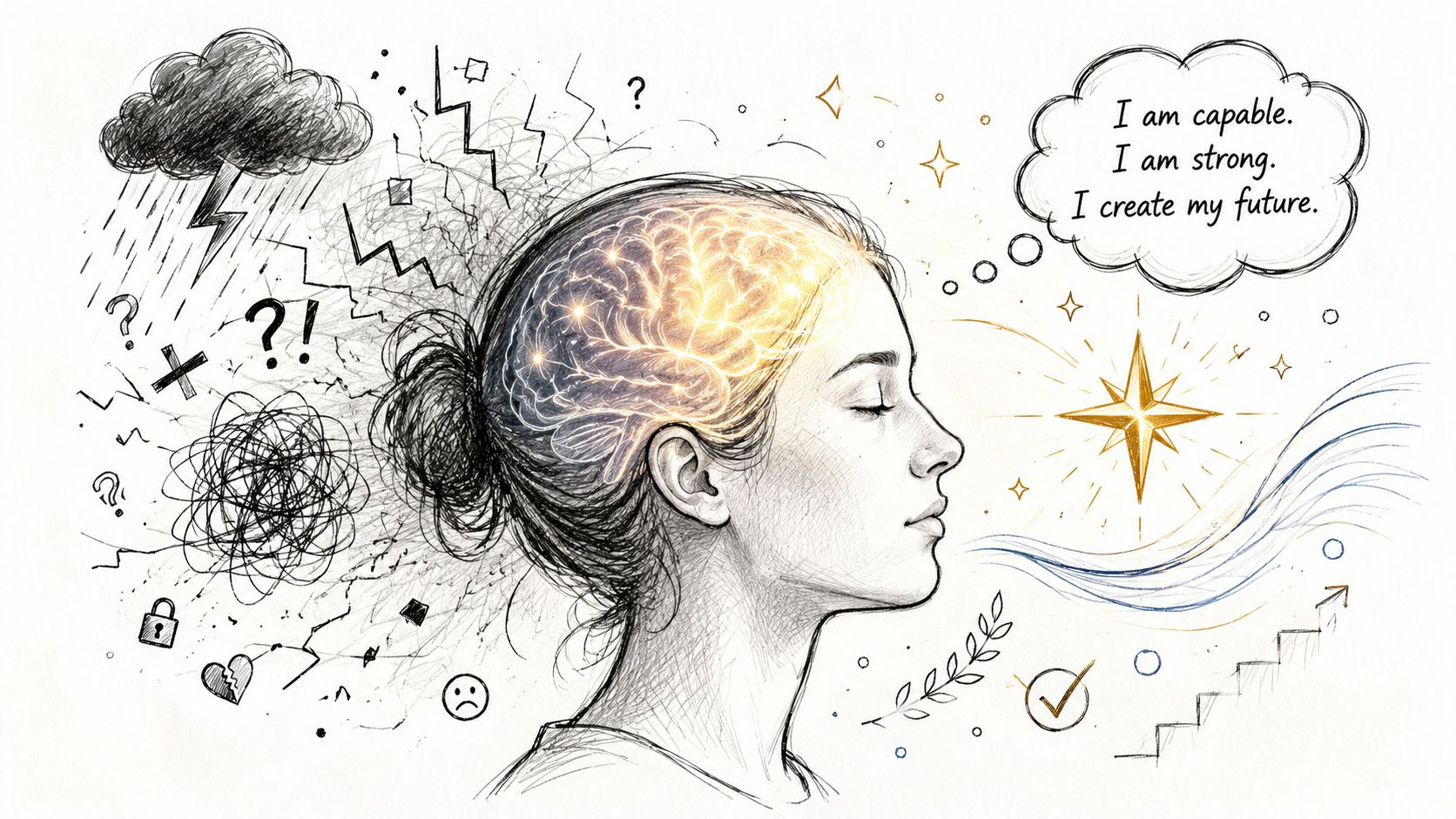
Stress pulls attention out of the body and into evaluation. Instead of noticing pleasure, breathing, and connection, you start scanning for signs of failure. That shift alone can interfere with arousal, erection quality, orgasm, and stamina.
One of the most useful facts here is that the question “how do I improve sexual performance without medication when I have high cortisol or stress?” is common, and clinical data cited in Harvard Health's discussion of sexual function and self-help notes that 45% of sexual dysfunction cases in adults are cortisol-mediated rather than vascular. In plain language, a large share of sexual difficulty is tied more to stress biology than to a blood flow problem alone.
That matters because the fix can't just be “try harder.” A stressed body doesn't respond well to pressure.
A simple reset you can use daily
The most practical place to start is diaphragmatic breathing. In the exercise research summarized in JAMA Network Open, diaphragmatic breathing is described as inhaling with abdominal bulging rather than chest expansion, and pairing that with pelvic floor relaxation. That's useful because many people tense the abdomen, chest, jaw, and pelvic floor when arousal rises. Tension creates a fight with the body instead of support.
Try this routine once or twice a day:
- Sit or lie down comfortably. Put one hand on your chest and one on your abdomen.
- Inhale through your nose. Let the lower hand rise as your abdomen expands. Keep the upper hand relatively quiet.
- Exhale slowly. Let the belly soften rather than brace.
- Relax the pelvic floor on the exhale. Think “release” rather than “squeeze.”
- Stay with the sensation. If your mind starts judging, bring attention back to breath and body contact.
Use the same pattern during intimacy if you notice the first wave of pressure or overexcitement. The JAMA source also highlights an early intervention window of 10 to 15 seconds after noticing increased arousal and before the urge takes over. Catching that moment makes control easier than waiting until tension spikes.
Practical rule: If you notice yourself thinking about performance, return to breathing, body sensation, and pace before you try to force anything.
A short guided practice can help if breathwork feels awkward at first:
Communication lowers pressure
Performance anxiety grows in secrecy. People often assume they need to hide nerves, fake confidence, or push through. That usually backfires.
A better script is direct and calm. Say what helps. Ask what feels good. Slow down without apologizing. If you tend to get in your head, tell your partner that you want to focus on connection instead of rushing to an outcome. That kind of honesty reduces the pressure to “prove” yourself.
A few reframes help:
| Old thought | Better thought |
|---|---|
| I have to perform perfectly | I need to stay present and responsive |
| If something changes, I've failed | Bodies vary. I can adjust pace and focus |
| My partner is judging me | My partner is likely reading my tension more than my technique |
If anxiety keeps showing up despite these changes, therapy or sex therapy can be a strong next step. Getting help isn't a sign that the problem is severe. It's often the fastest way to stop reinforcing the same stress loop.
Fuel Your Body for Lasting Stamina
Food and sleep don't sound glamorous, but they shape the conditions for desire, circulation, and recovery. If you're underfed, overstimulated, sleep-deprived, or living on convenience food, your sexual performance usually reflects that.
What to put on the plate
The most practical nutrition advice isn't a “male performance diet.” It's a cardiovascular and anti-inflammatory eating pattern you can maintain. According to Harvard Health's overview of natural ways to improve sex life, the Massachusetts Male Aging Study demonstrated that a diet rich in fruits, vegetables, whole grains, and fish, while limiting red and processed meats and refined grains, lessens the likelihood of erectile dysfunction.
That pattern works because sexual response depends heavily on blood vessel health. Better vascular function supports firmer erections, steadier arousal, and more endurance.
A simple plate model works well:
- Half the plate from produce. Vegetables and fruit help you build meals around fiber and nutrient density instead of heaviness.
- A quarter from quality protein. Fish fits especially well here. Eggs, yogurt, legumes, or lean poultry can also help round out meals.
- A quarter from whole-food carbohydrates. Think oats, potatoes, beans, brown rice, or whole grains rather than heavily refined starches.
- Fats from whole sources. Olive oil, nuts, seeds, and fatty fish tend to fit better than ultra-processed snack foods.
You don't need perfection. You need repeatability.
A few practical swaps often help more than a complete diet overhaul:
- Breakfast swap. Replace pastries or sugary cereal with oats, fruit, and protein.
- Lunch upgrade. Build around a grain bowl, salad, or wrap with vegetables and fish or another protein source.
- Dinner adjustment. Keep red and processed meat occasional rather than automatic.
- Snack fix. Choose fruit, yogurt, or nuts more often than chips and sweets.
For people exploring nitric oxide support as part of a broader routine, an L-arginine and L-citrulline option can fit into that conversation, but it works best when the basics above are already in place.
Sleep is part of sexual health
The same Harvard source notes that about 6 to 8 hours of nightly sleep is critical because it supports hormonal balance, including testosterone production. That's one of the clearest reasons sleep loss can show up as lower libido, worse recovery, irritability, and less reliable performance.
A late bedtime, alcohol-heavy evening, and screen fatigue can undo a lot of the “performance” work people expect supplements to solve.
If sleep is inconsistent, start with behavior you can sustain:
- Set a repeatable shut-down time so your body isn't guessing every night.
- Reduce stimulation late. Heavy meals, alcohol, doomscrolling, and work emails all keep the nervous system alert.
- Protect the room. A cool, dark, quiet room helps more than people expect.
A rested body responds faster, recovers better, and handles arousal with less strain.
Build Strength and Endurance with Targeted Exercise
If I had to choose one non-drug intervention with the strongest return across energy, confidence, circulation, and stamina, it would be exercise. Not extreme training. Consistent training.
Why movement works better than shortcuts
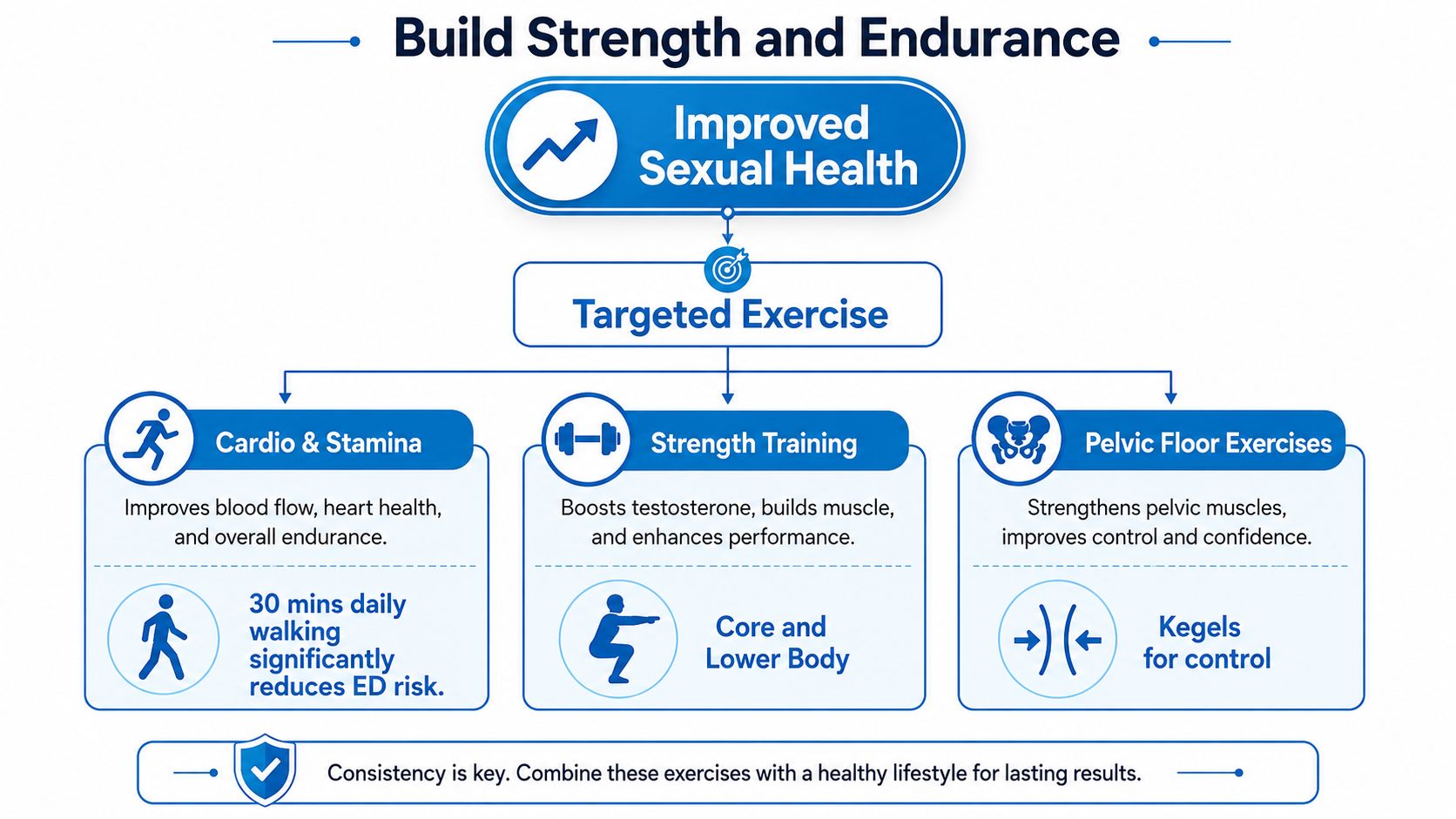
The best motivation here is that the effect isn't vague. This review of exercise and erectile function reports that just 30 minutes of walking daily reduces the risk of erectile dysfunction by 41%, and that supervised aerobic exercise of 40 minutes, 4 times per week for 6 months significantly improves erectile function in men with arterial ED.
That's a strong argument for treating exercise as direct sexual health care, not just general wellness. Better circulation supports erection quality. Better fitness reduces fatigue. Better metabolic health lowers the burden on the vascular system that sexual response depends on.
The common mistake is waiting for motivation and then trying to overhaul everything in one week. What works better is building repeatable sessions around walking, cardio, and strength.
A practical weekly training structure
You don't need a fancy plan. You need enough activity to challenge the heart, lungs, and major muscle groups.
A balanced structure looks like this:
| Training focus | What it can look like | Why it helps |
|---|---|---|
| Aerobic work | Brisk walking, running, swimming, cycling | Supports circulation and endurance |
| Strength work | Weights, resistance bands, bodyweight training | Improves power, posture, and overall capacity |
| Recovery movement | Light walks, mobility, easy stretching | Keeps consistency high without burnout |
The JAMA trial on men undergoing prostate cancer treatment found that supervised resistance and aerobic exercise significantly improved erectile function and intercourse satisfaction, and it describes a practical target of 75 to 150 minutes of sweat-breaking exercise weekly spread across multiple days in the exercise methodology discussion within the source linked earlier in this article. That gives you a useful floor to work from.
A realistic starting week might be:
- Three cardio sessions with brisk walking or another aerobic option
- Two strength sessions focused on legs, hips, core, back, and pushing movements
- Daily walking when possible, even if it's short and easy
Pelvic control and breathing
People often hear “do Kegels” and stop there. Control is more nuanced. The pelvic floor needs strength, but it also needs the ability to relax. If the muscles stay clenched, arousal can tip into tension and loss of control.
The JAMA source's technical guidance is especially useful here. It pairs diaphragmatic breathing with reverse PC muscle relaxation, meaning you actively relax the pelvic floor when you sense arousal building and direct attention upward toward the abdominal region.
Try this during solo practice first:
- Breathe into the abdomen instead of the chest.
- Notice whether the jaw, glutes, and pelvic floor are bracing.
- On the exhale, soften those areas.
- When arousal rises, don't immediately contract harder. Relax and slow pace.
- Resume when control returns.
Some people don't need more effort. They need better timing, better breathing, and less unnecessary tension.
That combination of cardio, strength, and pelvic awareness usually does more for sexual performance than any isolated hack.
Evidence-Based Supplements and Herbs
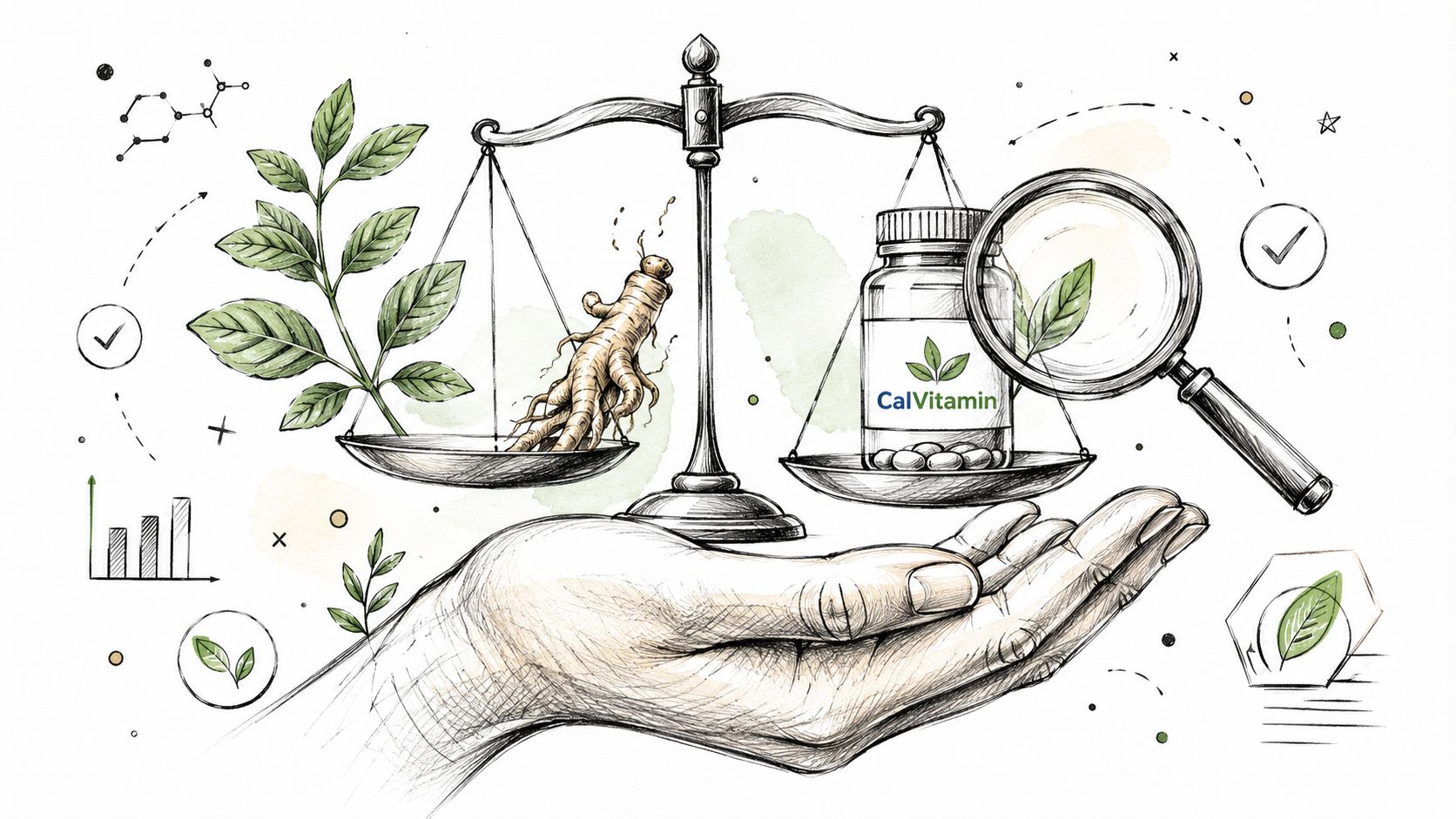
Supplements can help, but people often waste the most money on them. The biggest reason isn't always the ingredient itself. It's product quality.
Why many herbal products disappoint
A lot of advice says “try maca” or “take shilajit” as if the name of the herb is enough. It isn't. Extract quality, sourcing, concentration, and consistency matter.
According to Medical News Today's discussion of natural sexual enhancement options, recent 2024-2025 meta-analyses indicate that more than 60% of consumer-reported failures with herbal enhancers stem from non-standardized sourcing rather than ingredient ineffectiveness. That's the part most mainstream advice skips.
So if someone says an herb “did nothing,” the core question is often: what product, what extract, what dose form, and how consistent was the formulation?
How to read a label more carefully
You don't need to become a supplement chemist, but you do need a few filters.
Look for these details:
- Standardized extracts. A label should tell you more than the plant name. If it's vague, that's a warning sign.
- Clear dosage information. You should be able to see how much is in a serving and how many servings the container provides.
- Transparent ingredient list. Avoid products that hide everything inside a “proprietary blend” without useful detail.
- Single-goal logic. If a formula claims to do everything from testosterone support to fat loss to instant libido, be skeptical.
A decent buying question is simple: “Do I know what this product contains and in what form?” If the answer is no, move on.
Where targeted products may fit
Some supplement categories are used for specific reasons. L-arginine is commonly discussed for blood flow support. Panax ginseng is often used in energy and vitality formulas. Maca is frequently marketed for libido. Those mechanisms make more sense when matched to the problem you're trying to solve, rather than taken randomly.
That also means supplements shouldn't replace basics. If sleep is poor, activity is low, and stress is high, even a well-formulated product may feel underwhelming.
For readers comparing ingredient-based options, Dorado Nutrition Horny Goat Weed 1590mg capsules are one example of a sexual wellness product in this category. The important step is still checking the label carefully and using any supplement as one part of a broader plan, not as the whole plan.
A simple decision guide helps:
| If your main issue is | Priority |
|---|---|
| Stress and overthinking | Nervous system work first |
| Low stamina and fatigue | Sleep, food, and exercise first |
| Curiosity about herbs | Choose standardized products and track response |
| Mixed issues | Build the foundation, then add one targeted supplement at a time |
That last point matters. Adding several products at once makes it hard to tell what's helping and what's just adding cost.
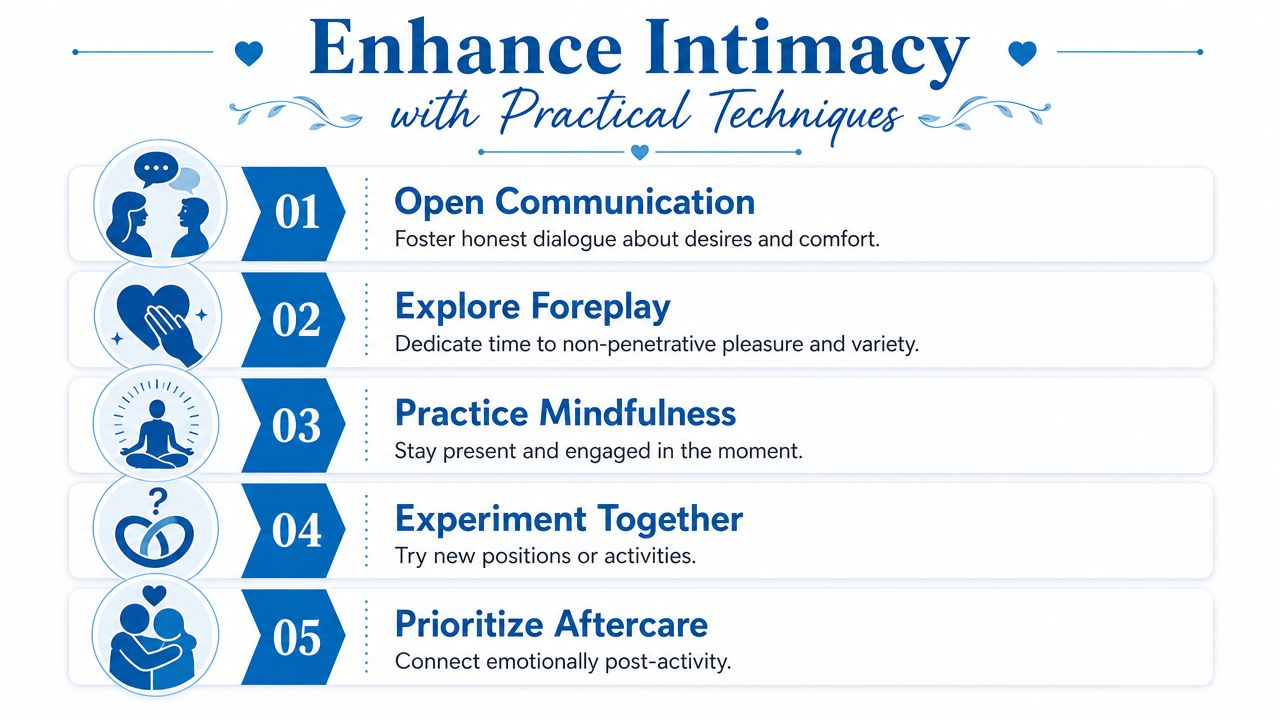
Enhance Intimacy with Practical Techniques
Better performance isn't only about lasting longer or getting harder erections. It also means making sex more satisfying, less pressured, and more connected for both people.
Use coordination instead of rushing
One of the more interesting findings in this area comes from clinical findings summarized here: 81% of females using a joint stimulatory approach achieved their first partnered orgasm within 12 weeks. That approach involves aligning rhythmic self-stimulation with a partner's actions, often in a matched rhythm such as 1:1 or 1:2, while using synchronized touch on less direct areas like the thighs and inner sides.
The practical lesson is that coordinated stimulation often works better than intensity alone. More force, more speed, and more pressure don't automatically create more pleasure.
Try this instead:
- Match rhythm first. Find a pace both partners can follow.
- Add touch gradually. Layer in hands, thighs, hips, or torso before jumping to the most direct stimulation.
- Keep feedback active. Short, specific cues work better than silence.
Choose positions with intention
Position changes can improve comfort, angle, control, and contact. The same source notes that female-on-top positions yield satisfaction rates up to 68%, compared with 42% for passive missionary style. It also recommends limiting a single position to about 3 to 5 minutes and building a small “position library” of 3 to 4 basic variants to preserve momentum and reduce awkward resets.
That doesn't mean one position is universally best. It means strategic variety can help.
If a position gives one partner more control over depth, rhythm, or pressure, it often lowers performance strain for the other partner too.
Shift from outcome to experience
A major pitfall in the same source is result-oriented focus. When attention locks onto “I need to climax,” “I need to stay hard,” or “I need to make this happen,” the experience often becomes less responsive and less pleasurable.
A better mental cue is to follow sensation rather than scorekeeping. Notice breathing, pressure, pace, sound, and the parts of touch that create warmth or anticipation. Slow transitions instead of abrupt changes. Let arousal build without interrogating it.
That shift sounds subtle, but in practice it changes everything. Partners usually feel more connected, and sex becomes less of a performance test and more of a shared skill.
When to Seek Professional Medical Help
Self-directed changes are often enough to improve sexual performance, but not always. Some problems deserve a proper medical evaluation, especially if they appear suddenly or keep returning.
Make an appointment if you notice any of these patterns:
- Persistent erectile difficulty that doesn't improve with basic lifestyle changes
- Pain during sex, ejaculation, or arousal
- A sharp drop in libido that doesn't make sense for your usual baseline
- Major anxiety, shame, or relationship conflict tied to sex
- Changes after starting a medication or after a health event
- Fatigue, mood changes, or other symptoms that suggest a broader hormonal, cardiovascular, or metabolic issue
Don't treat medical care as a last resort. Sexual symptoms can sometimes be the first sign that something else needs attention. A primary care clinician, urologist, gynecologist, pelvic floor therapist, or sex therapist may all have a role depending on the problem.
Good care is practical. It helps you separate what can improve with habit change from what needs testing, treatment, or specialized support.
If you're building a more complete sexual wellness routine, CalVitamin offers a wide range of supplements, sexual wellness products, and ingredient-focused options that can support your plan alongside exercise, nutrition, sleep, and stress management.






